Amalgam Ban: Which Filling Does Health Insurance Pay for Now?
Since 2025 amalgam has largely become a thing of the past. What this means for your fillings – and what health insurance pays.


For decades, amalgam was the standard filling for back teeth for people with statutory health insurance. Since 1 January 2025 it may only be used in the EU in medically justified exceptional cases. What does that mean for you?
Since 2025, German statutory health insurance has paid for fillings in the back teeth made of so-called self-adhesive materials without any co-payment. If you would like a more elaborate multi-layer composite filling or a ceramic inlay, you pay the difference yourself. Intact amalgam fillings do not need to be replaced.
The alternatives
| Filling | In brief | Costs with statutory insurance |
|---|---|---|
| Self-adhesive material | bonds to the tooth without elaborate pre-treatment | no co-payment (back teeth) |
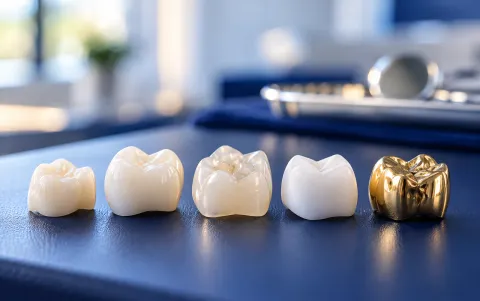
| Composite in multi-layer technique | highly aesthetic, very stable, elaborate | additional costs |
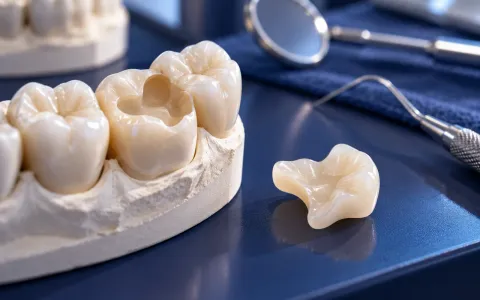
| Ceramic inlay | made outside the mouth, very long-lasting | insurer pays the amount for a filling, the rest is private |
Do I have to replace my old amalgam fillings?
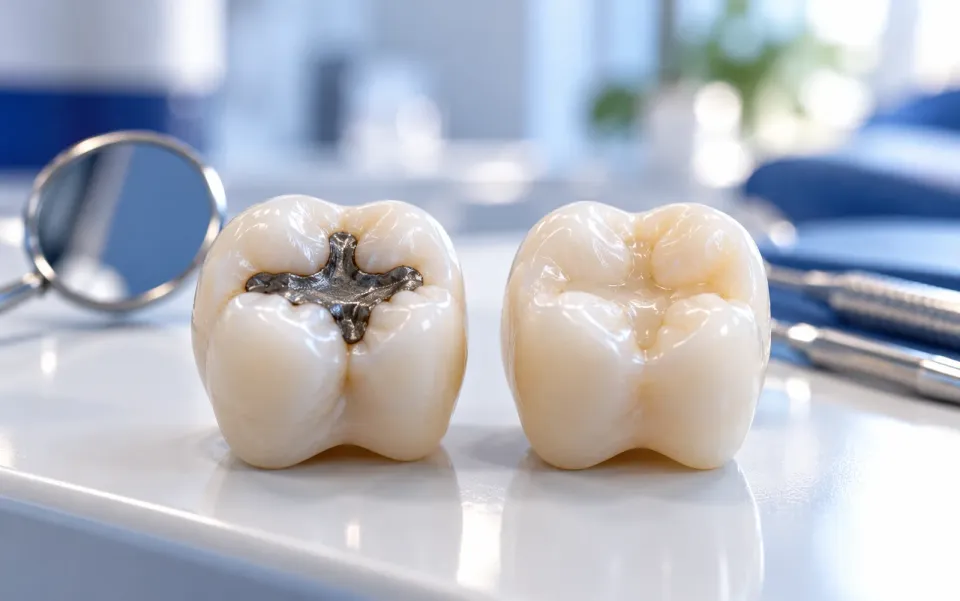
No. As long as they are intact and tight, there is no reason to remove them as a precaution – drilling them out actually releases more mercury vapour for a short time. If they are defective, we replace them with a tooth-coloured material.

Book your appointment at the Zahnarztpraxis St. Peter – via online booking or by phone on 0911 554181. You will find us at Hainstraße 25, 90461 Nürnberg (tram 6/10 to Scharrerstraße, patient parking via Scharrerstraße).
Frequently asked questions
Are there exceptions to the amalgam ban?
Yes, if it is absolutely necessary for medical reasons. In practice, amalgam hardly plays a role any more.
Are the new materials as durable as amalgam?
For small and medium fillings, modern materials have proven themselves. For large defects we often recommend an inlay.
This article is a translation of our German guide and does not replace a personal examination and consultation. If you have symptoms, please see a dentist – for example at the Zahnarztpraxis St. Peter in Nuremberg.