TMD: Symptoms, Causes and Treatment
Jaw clicking, headaches, a stiff neck – TMD has many faces. How to recognise and treat it.


Headaches in the morning, a clicking jaw joint, tension reaching into the shoulders – and nobody can find a cause. Complaints like these can be due to a temporomandibular disorder (TMD, in German “CMD”): a dysfunction of the chewing system.
TMD covers pain and functional disorders of the chewing muscles and jaw joints. Typical symptoms are jaw and facial pain, joint noises, limited mouth opening, headaches and worn teeth. It is usually treated with an occlusal splint, physiotherapy and stress reduction.
Typical symptoms
| Area | Possible complaints |
|---|---|
| Jaw | pain, clicking, grating, jaw locking, deviation when opening |
| Teeth | wear, cracks, sensitive teeth, loosened fillings |
| Head and face | headaches (often at the temples), facial pain |
| Ear | earache, feeling of pressure, ringing in the ears |
| Neck and back | tension, restricted movement |


Causes
- grinding and clenching (bruxism), often stress-related
- bite interferences due to gaps, misaligned teeth or ill-fitting dental restorations
- posture problems, injuries, whiplash
Treatment
Therapy- Functional diagnosticspalpation, movement analysis, bite check.
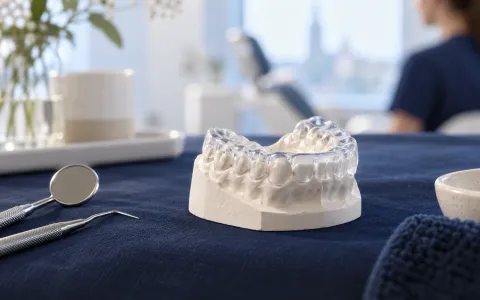
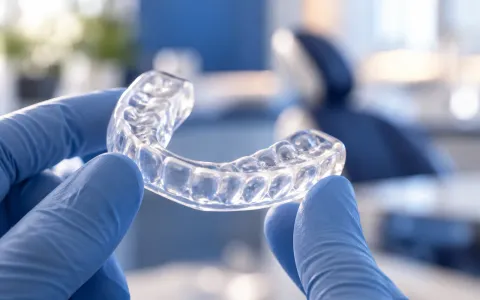
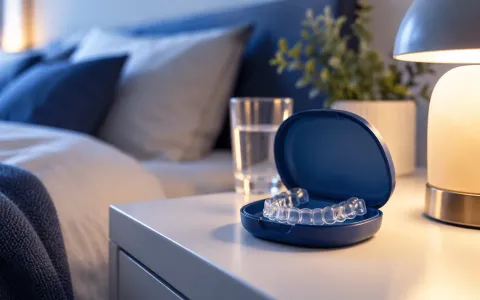
- Occlusal splint3D-printed after a digital scan; relieves the muscles and protects the teeth.
- Physiotherapytreatment of jaw and neck, exercises.
- Stress managementrelaxation techniques, enough sleep.
- Botulinum toxin (complementary)for overactive chewing muscles when the other measures are not enough; more in the article Botox for bruxism and TMD.
Book your appointment at the Zahnarztpraxis St. Peter – via online booking or by phone on 0911 554181. You will find us at Hainstraße 25, 90461 Nürnberg (tram 6/10 to Scharrerstraße, patient parking via Scharrerstraße).
Frequently asked questions
Who treats TMD?
Dentists make the diagnosis and provide the splint. They often work together with physiotherapists, orthopaedic specialists and ENT doctors.
Does TMD go away on its own?
Sometimes symptoms improve when the source of stress disappears. But worn tooth structure does not grow back – which is why it is worth having it checked.
This article is a translation of our German guide and does not replace a personal examination and consultation. If you have symptoms, please see a dentist – for example at the Zahnarztpraxis St. Peter in Nuremberg.