Dentist Nuremberg St. Peter
Gum Lifting & Recession Coverage
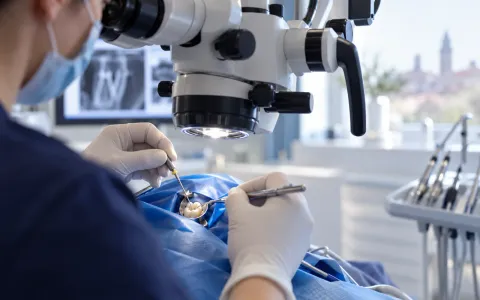
Covering exposed tooth necks, harmonising uneven gum lines: microsurgically, precisely and gently under the operating microscope.


Receding gums (recession) make teeth look longer and tooth necks sensitive, and can leave the root vulnerable to decay. Common causes are brushing too hard, thin gum tissue, misaligned teeth or periodontitis. Conversely, too much visible gum when smiling can also be bothersome. With microsurgical techniques both situations can often be improved.
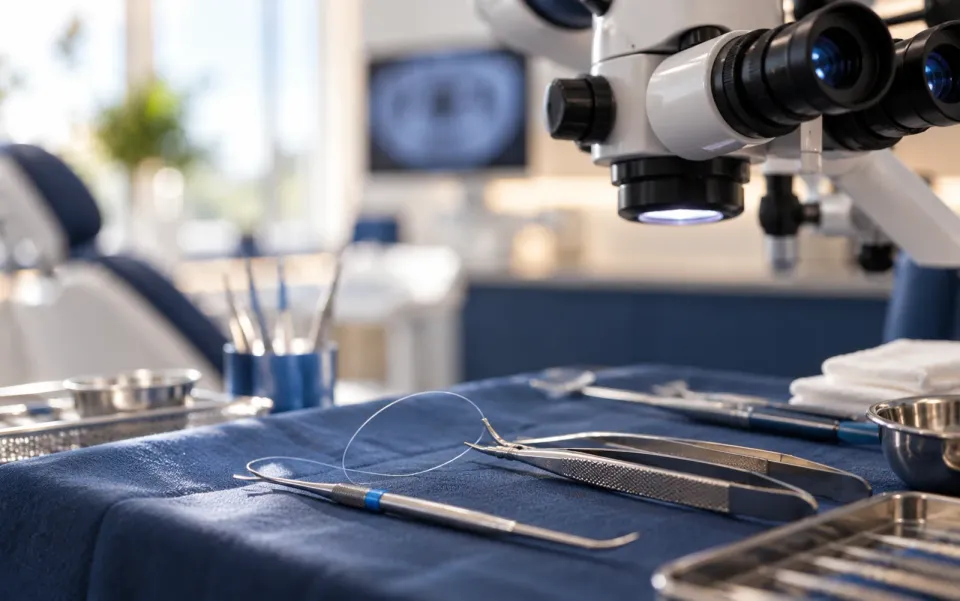
In recession coverage, an exposed tooth root is covered again with the body’s own tissue, often with a small connective tissue graft from the palate. In aesthetic gum lifting, an uneven gum line is corrected. Under the operating microscope very fine incisions and sutures are possible.
What can be treated?
- exposed, sensitive tooth necks due to receding gums
- uneven gum lines on the front teeth
- “gummy smile” – a lot of visible gum when smiling (depending on the cause)
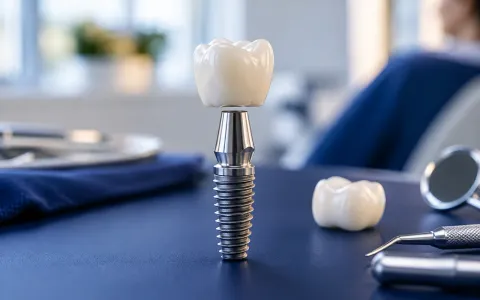
- thin gums before or around implants

How recession coverage works
Procedure- Identifying the causesBrushing technique, bite, inflammation: without treating the cause, the recession returns.
- PlanningWhich technique fits (e.g. tunnel technique, repositioned flap, graft)?
- Procedure under local anaesthesiaThe gum is carefully mobilised and, if needed, reinforced with connective tissue.
- HealingYou protect the area in the first weeks; then a check-up and care advice.
Aesthetic gum corrections and recession coverage are usually private services for patients with German statutory insurance. We advise you on effort and costs in advance.
Book your appointment at the Zahnarztpraxis St. Peter – via online booking or by phone on 0911 554181. You will find us at Hainstraße 25, 90461 Nürnberg (tram 6/10 to Scharrerstraße, patient parking via Scharrerstraße).
Frequently asked questions
Do gums grow back by themselves?
No. Receded gum tissue does not regenerate on its own. However, the progression can be stopped and exposed areas covered surgically.
Does taking tissue from the palate hurt?
The donor site can be tender for a few days. A protective plate or special wound dressings make eating more comfortable during this time.